Guides · 15 August 2026 · 7 min read
The house clearance checklist nobody gives you
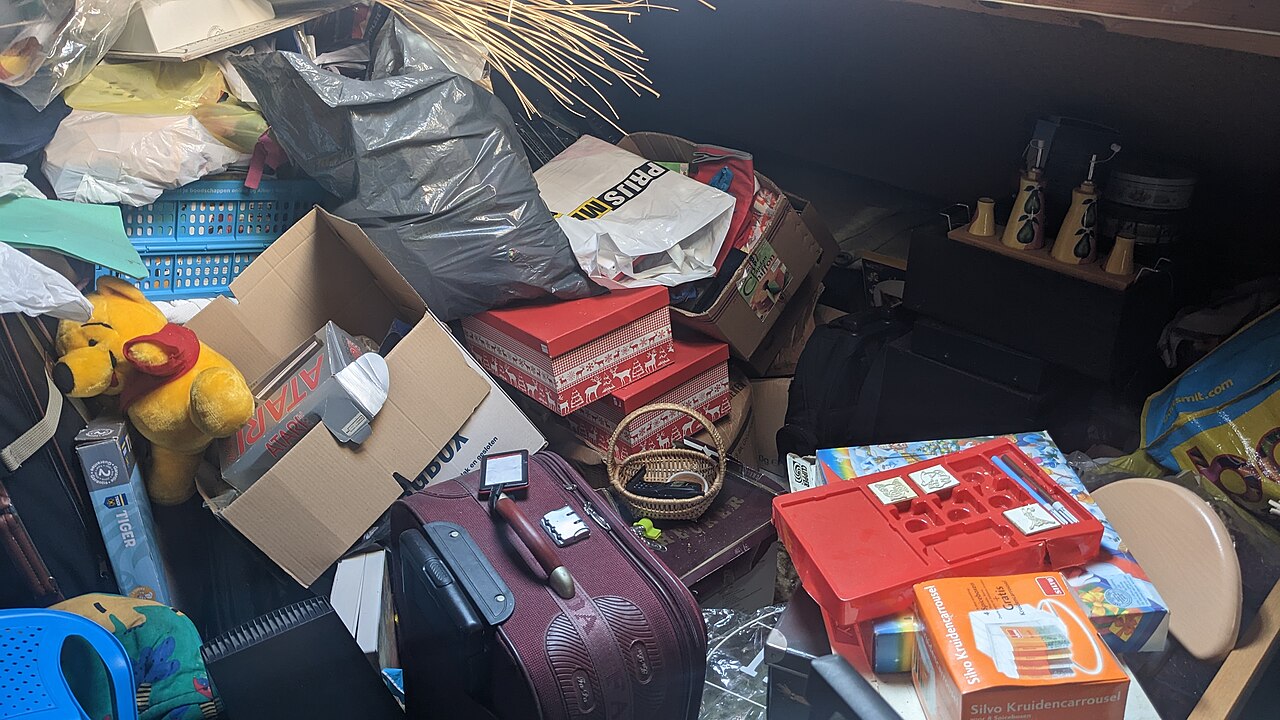
Most people clear a house at most two or three times in a life, usually at the worst possible moment: after a death, before a completion date, at the end of a tenancy with a deposit at stake. This is the checklist we wish everyone had beforehand, based on doing it week in, week out.
Before anything leaves the house
- Paperwork first: wills, deeds, bank letters, passports, photos. Set one box aside and fill it before any sorting starts. Documents hide in books, biscuit tins and coat pockets, our crews find them constantly, which is why we work room by room rather than with a shovel.
- Utilities and post: redirect the post, photograph the meters. Ten minutes now, hours saved later.
- The valuables walk-through: jewellery boxes obviously, but also lofts, sheds, and the backs of wardrobes. Old tools, cameras, records and named china all have markets. A decent clearance firm points these out to you, walk away from any that go quiet when they find something good.
The order that saves money
Rehome, then sell, then give, then clear. Family and friends first. Then the sellable minority: auction houses take decent furniture and will tell you honestly what is worth their time. Then charities, remember upholstered furniture needs its fire labels, and many charities collect free, their van beats everyone's prices. What is left, usually about two thirds of the volume, is the clearance load.
On cost: expect load-based pricing. Ours runs £229 for a quarter van, £289 for a half, £389 for a full Luton, and a typical three bed house is two to three full loads. Anyone quoting one suspiciously round number without seeing photos is guessing, and the guess is padded.
The things that need a specialist
Three finds stop a normal clearance: asbestos, common in pre-1980 garage roofs and around old boilers, gas bottles, which go back to the supplier scheme, and liquid chemicals in quantity. None are disasters, all need licensed routes, and a good firm tells you rather than quietly tipping them into the load. That last part is the whole difference between a clearance firm and a fly-tipper with a leaflet.
For landlords and executors at a distance
Remote clearances are routine for us: key safe or agent key collection, photos before and after, and a written record. Deposit schemes and probate solicitors both like evidence, and "the property was left clear and swept, photos attached" settles arguments before they start.
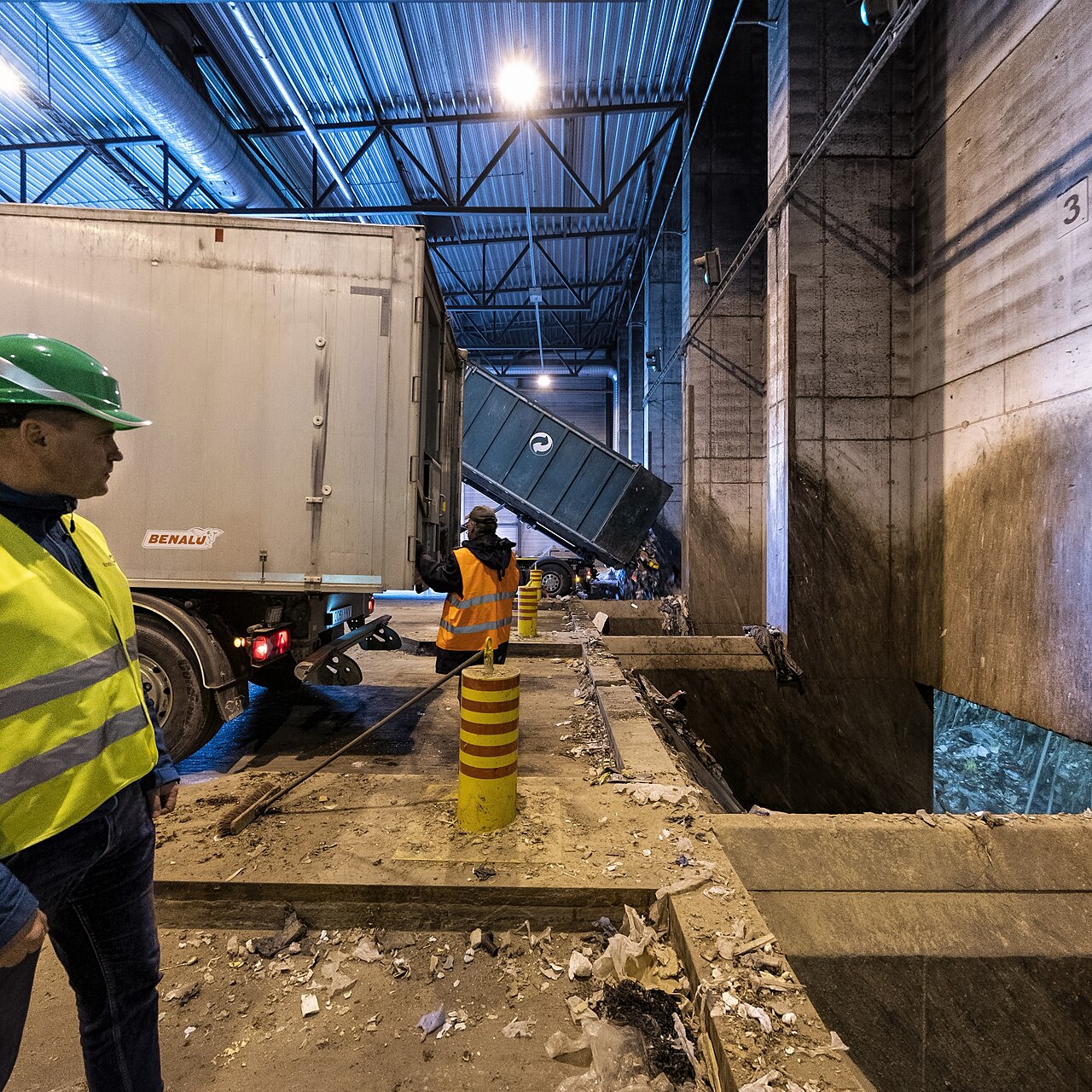
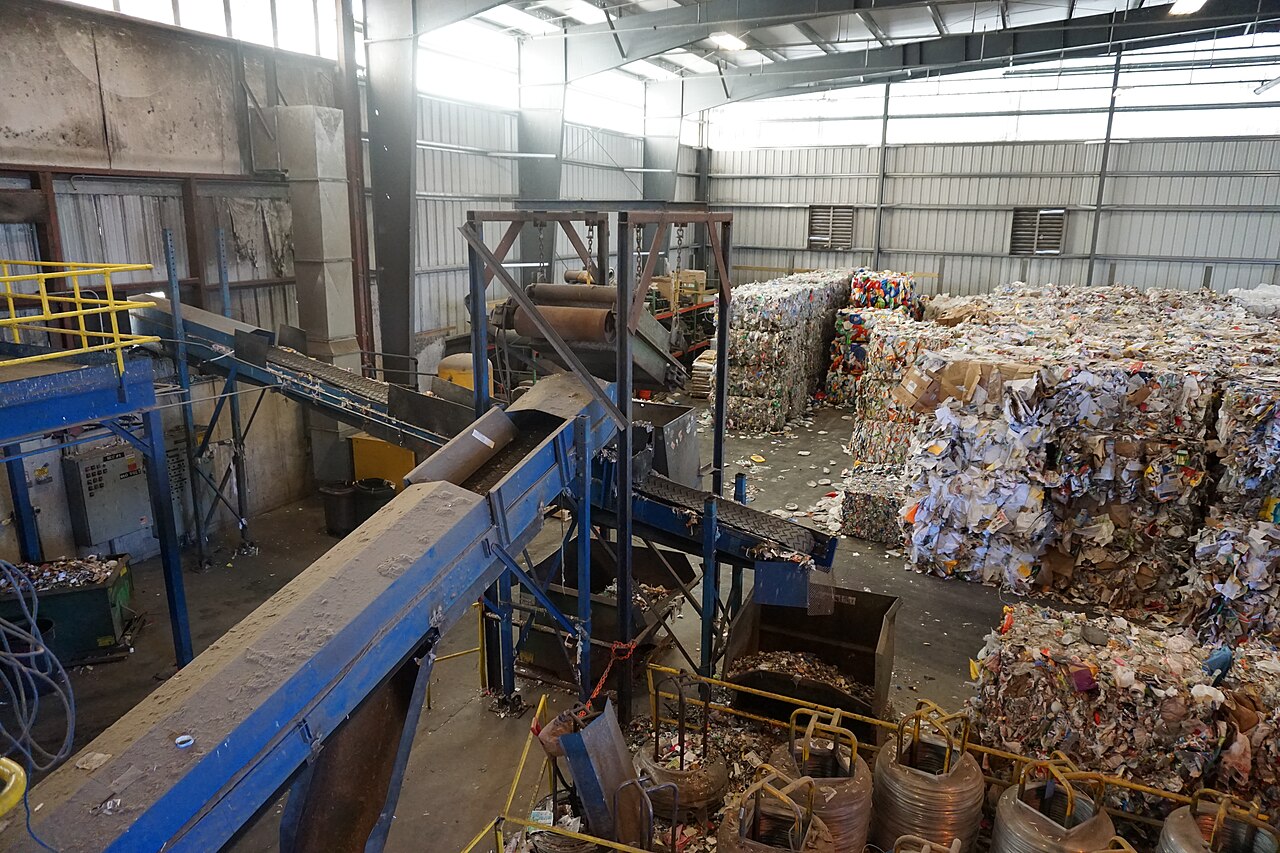
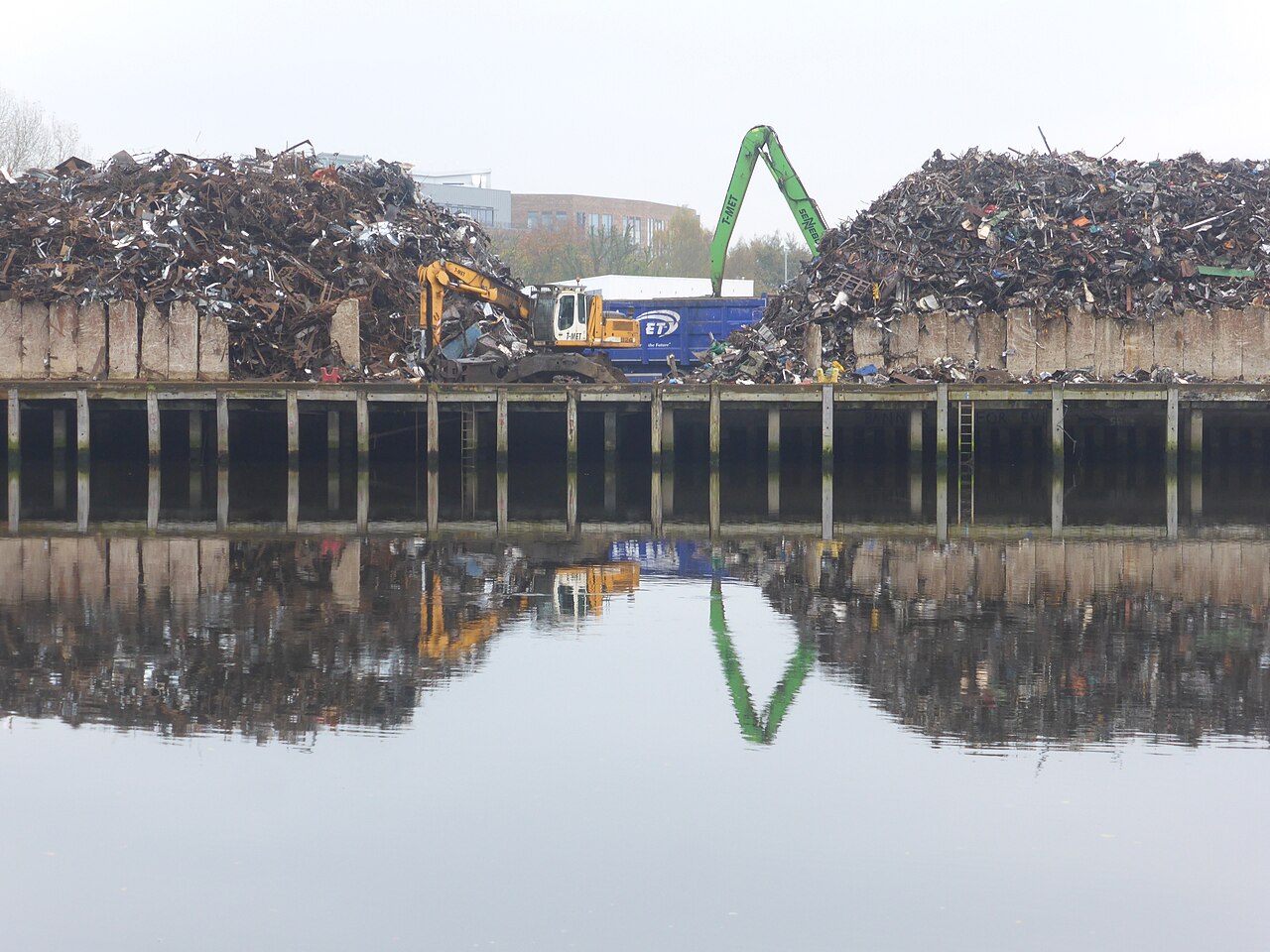
Reuse first, recycling second, energy recovery third, landfill last. That order, every load.
Ready for it to be gone?
Check your postcode, pick your route day, done in two minutes.