Guides · 15 August 2026 · 6 min read
Where your waste actually goes
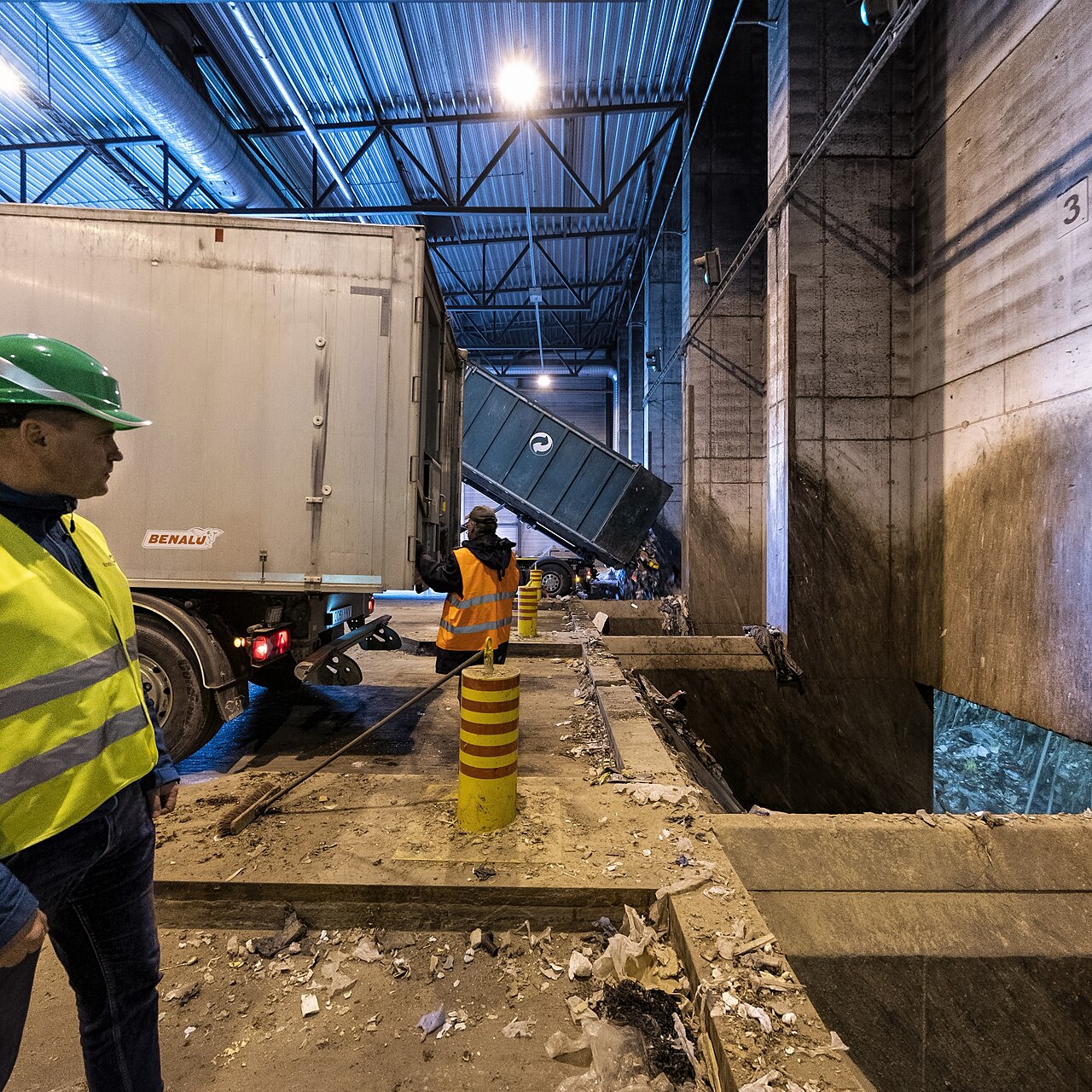
When a waste firm says "we recycle where possible", it is doing a small magic trick. The sentence sounds like a promise but measures nothing. Possible according to whom? This guide is the honest version: what actually happens to a mixed van load after our crew waves goodbye, stream by stream.
The short answer is that a load is only as recyclable as the sorting it gets. Tipped into one hole, a sofa, a fridge and three bags of garden waste are landfill. Separated, they are timber, steel, foam, refrigerant to be neutralised, aluminium, copper and compost. Sorting is the whole game. It is why we sort every load rather than gate-fee it into the nearest hole.
First stop: the depot sort
Every WasteSpeed load comes back to a transfer point and gets pulled apart. Reusable furniture goes to one side, metals to another, clean timber to a third, electricals into the WEEE cage, green waste to its own bay. It takes minutes per load and it is the single highest-value thing we do, because every stream that leaves clean is worth more, environmentally and literally, than the mixed pile it came from.
Reuse beats everything. A sofa that goes back into a living room needs no shredder, no furnace and no lorry to Rotterdam. Roughly a third of bulky waste is reusable as-is or with minor repair, which is why "is it still good?" is the first question our crews ask, not the last.
The metal stream
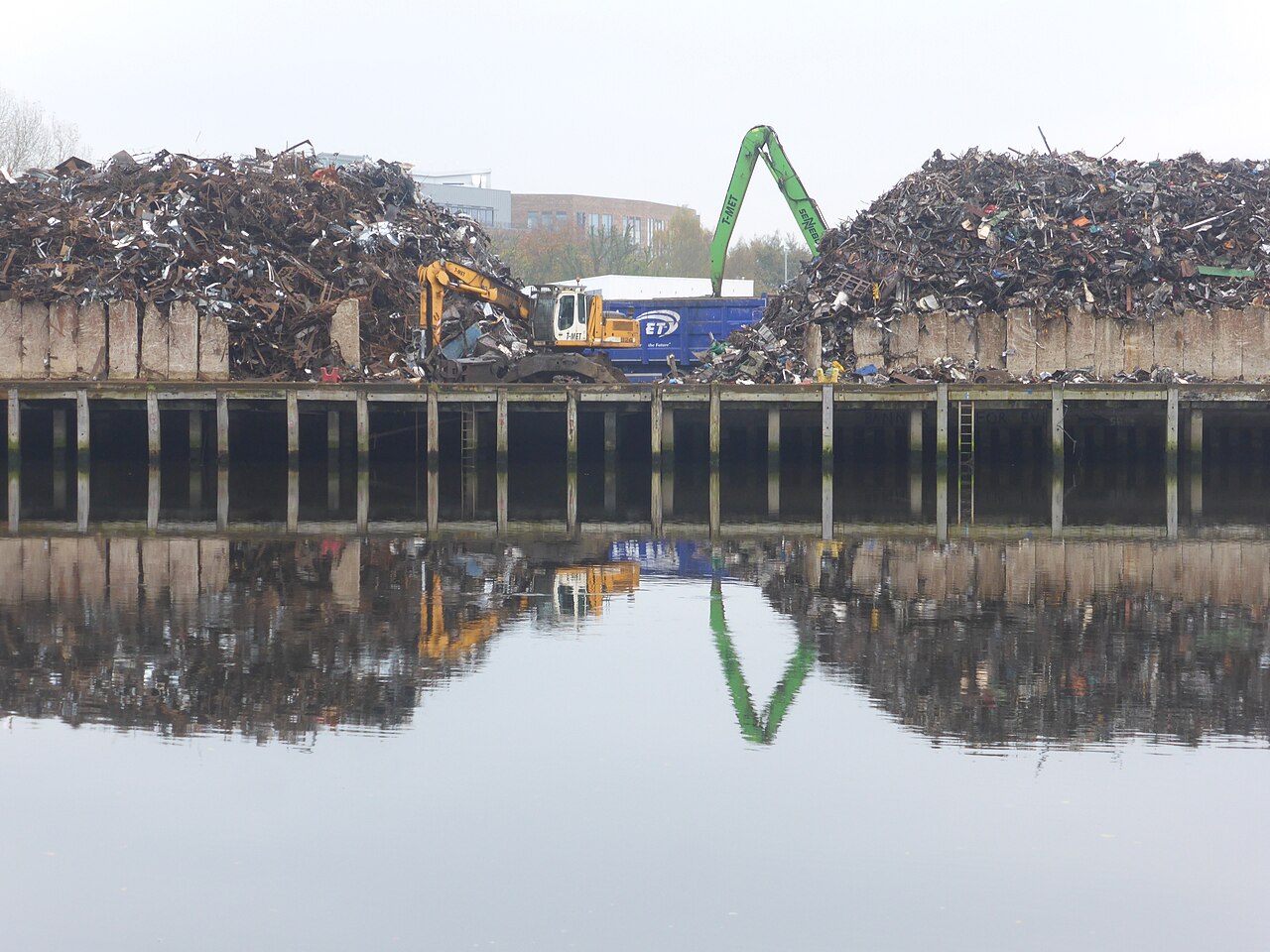
Metal is the aristocrat of recycling. Steel and aluminium can be remelted forever without losing quality, and recycled steel needs around 70 percent less energy than virgin steel from ore. Your washing machine drum, bed frame and radiator go to a metals merchant, get shredded and separated by magnet and eddy current, and are back in a furnace within weeks.
Timber, card and the baler
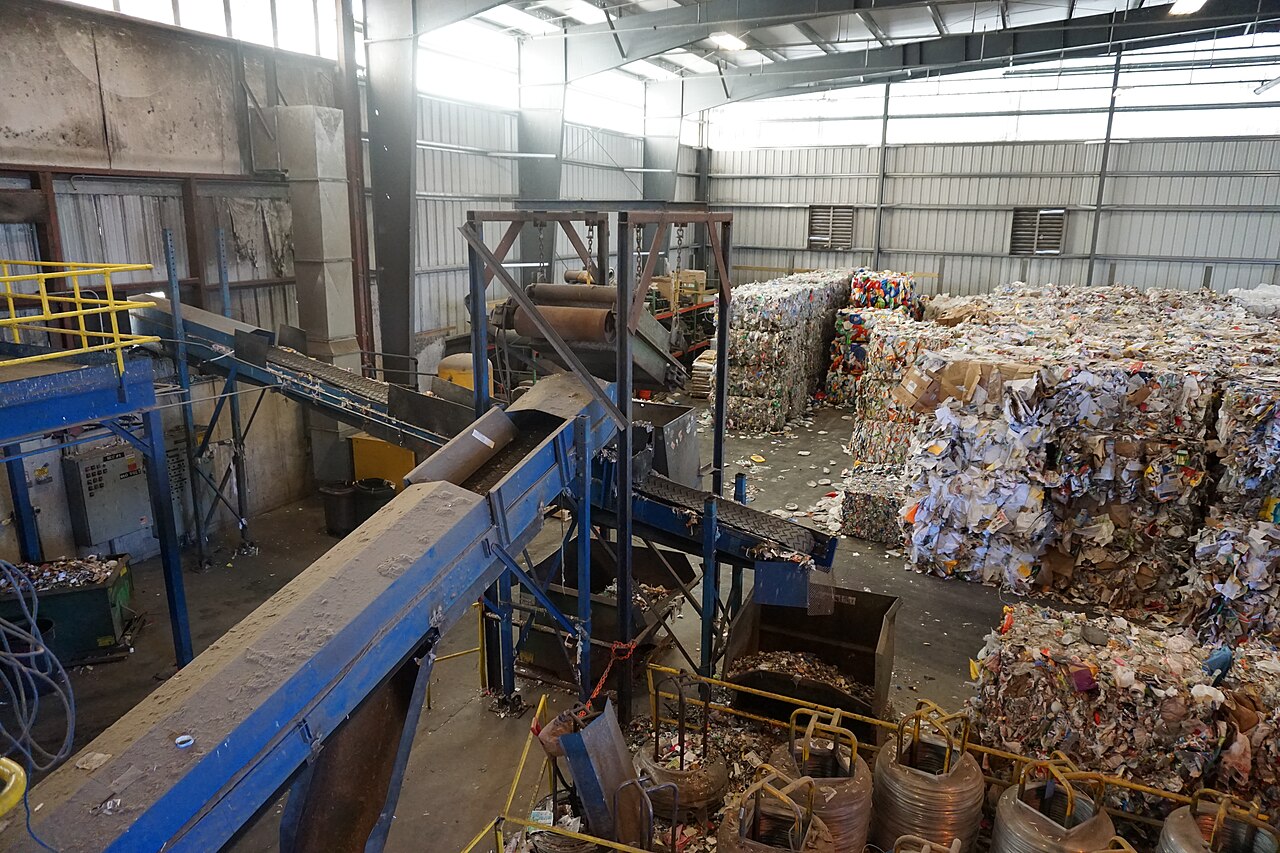
Clean timber is chipped for board manufacture or biomass fuel. Cardboard is baled, and those bales, the ones in the photo above, are a commodity with a market price, sold to paper mills that turn them back into packaging in about two weeks. Flat pack furniture sits awkwardly in the middle: chipboard is already glue and sawdust, so it usually becomes energy rather than new board. We are honest about that.
WEEE, the regulated stream
Anything with a plug, cable or battery is Waste Electrical and Electronic Equipment and legally must go to an approved treatment facility. There it is depolluted, refrigerant gases extracted, capacitors and batteries removed, then shredded and separated into metals and plastics. This is the stream with the most law around it, and rightly so: a fridge dumped in a lane leaks gases with thousands of times the warming power of CO2.
Energy recovery, then the stubborn residue
What cannot be reused or recycled, stained foam, mixed plastics, broken chipboard, goes to energy-from-waste plants that burn it under strict emissions controls to generate electricity and heat. It is not as good as recycling, and anyone who tells you otherwise is selling something. It is much better than burying it.
After all of that, a small stubborn fraction still has nowhere better to go than landfill. Our target is to keep that under 10 percent of what we collect, and the honest number varies load by load. What we promise is the order of preference, every time: reuse, recycling, energy, landfill last. And a photo when your load is done.
Reuse first, recycling second, energy recovery third, landfill last. That order, every load.
Ready for it to be gone?
Check your postcode, pick your route day, done in two minutes.